
UCL Consultants · Higher Education / Professional Services
Negotiating Complex Stakeholder Relationships
Negotiation · Commercial Capability · Stakeholder Management · Professional Skills
The Situation
UCL Consultants connects external organisations with the expertise of UCL's academic and research community, helping turn specialist knowledge into consultancy projects that address complex organisational challenges.
That puts its people in an unusual position.
They can find themselves working between academics with deep subject expertise, external clients with commercial and organisational priorities, different parts of UCL and colleagues responsible for the contractual, financial and practical delivery of the engagement.
UCL Consultants therefore wanted to strengthen the negotiation capability of its team, not simply for formal contract negotiations, but across the stakeholder relationships involved throughout a consultancy project.
The Challenge
These were rarely straightforward two-party negotiations.
A consultancy manager might need to negotiate scope and budget with an external organisation while also influencing an academic's view of what could realistically be delivered.
A change in project requirements could create different expectations between the academic, the client and UCL.
Contract discussions could involve intellectual property, liability, indemnities, regulatory requirements or non-standard agreements.
At other times, the challenge could involve securing internal agreement, dealing with a lack of response, resolving different interpretations of what had previously been agreed or finding a way forward when the interests of an individual academic, UCL and an external client did not completely align.
International engagements added another dimension, with different cultural approaches potentially influencing areas such as pricing and negotiation.
The capability Clemorton needed to develop was therefore broader than simply learning how to bargain.
People needed to prepare properly, understand the interests and positions around the table, choose an appropriate approach, influence different stakeholders and find workable outcomes without losing sight of UCL Consultants' own responsibilities.
What We Did
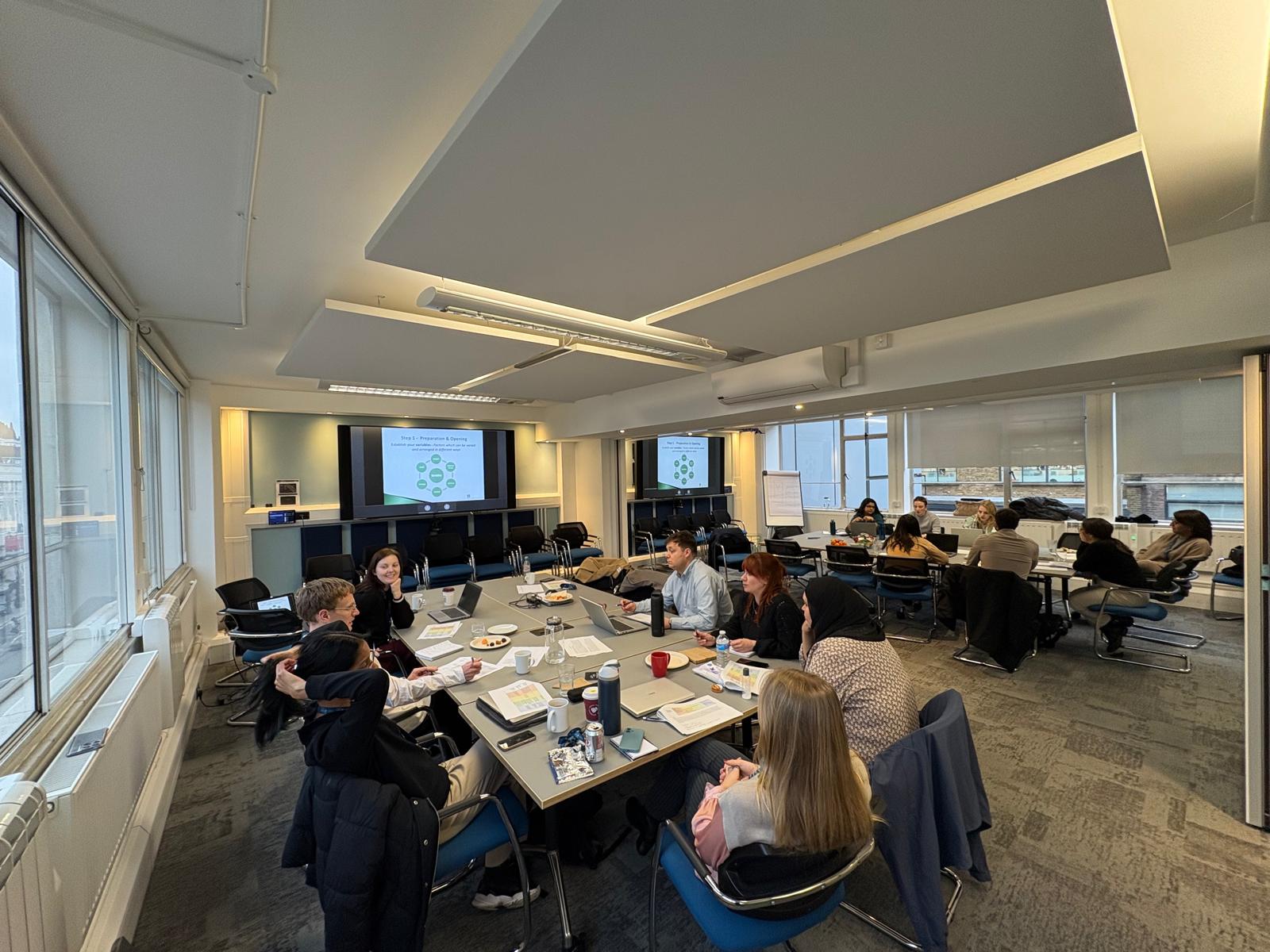
Clemorton designed a bespoke two-day Negotiation Programme around the situations UCL Consultants' people actually encountered.
The programme established a practical structure for negotiation, including preparation, negotiation styles, a five-step negotiation model, BATNAs, communication and rapport, proposals, bargaining, concessions, principled negotiation and recognising manipulative tactics.
The programme deliberately went beyond teaching theory.
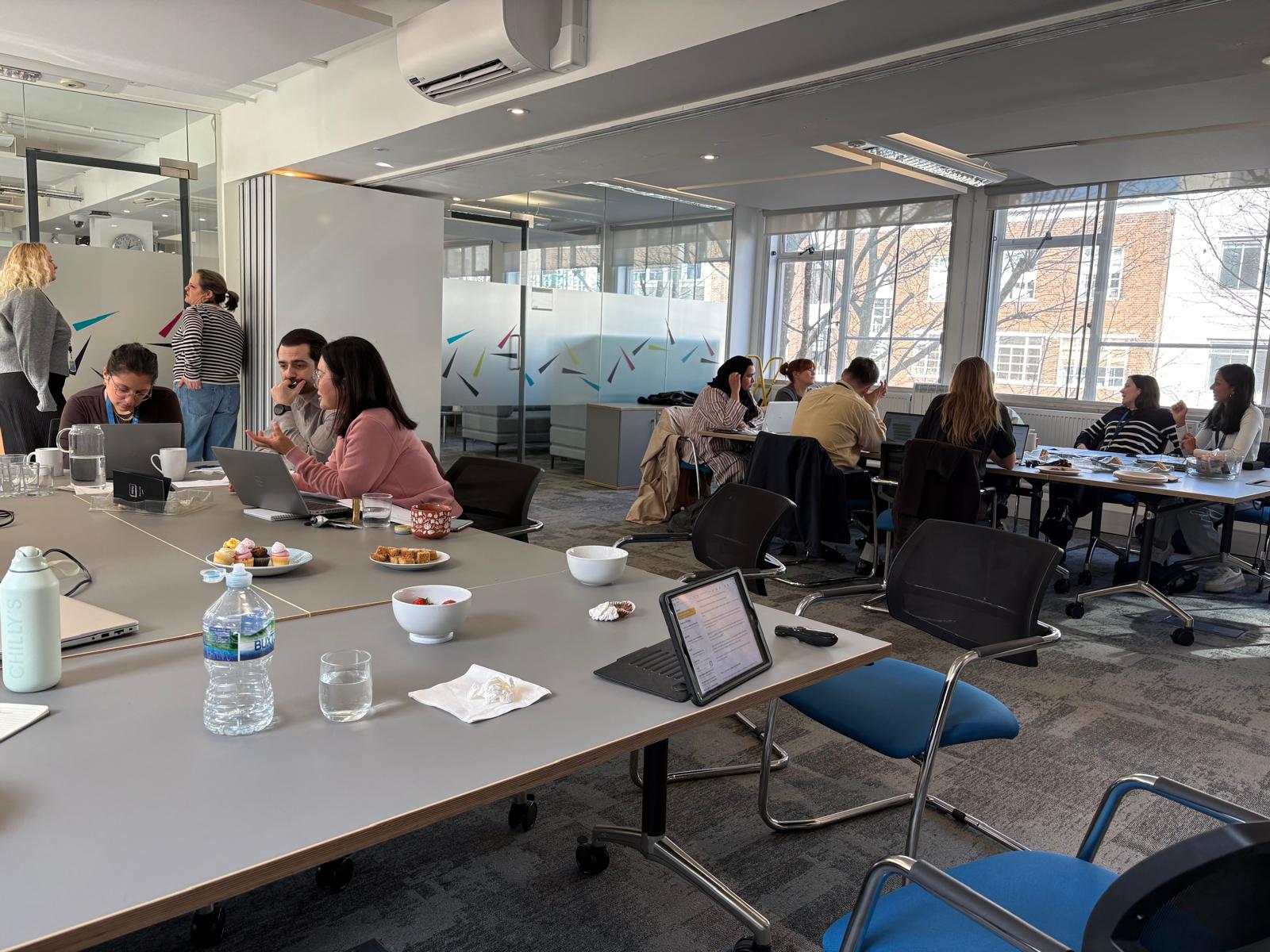
Delegates worked through practical negotiation exercises, analysed the approaches they had taken and considered how different personalities and perspectives could affect the outcome.
Real situations from their own work were brought into the programme so participants could prepare for and examine negotiations they genuinely needed to handle.
The final practical application was designed around a typical UCL Consultants scenario rather than a generic training exercise.
The emphasis throughout was on doing, reflecting and adjusting.
Building Negotiation Confidence
The aim was not to give everyone a script.
It was to give people a framework they could rely on when the circumstances, stakeholders and subject matter changed.
Participants explored how to prepare more effectively, understand their own natural negotiation style, select different approaches according to the situation, develop alternatives, make and receive proposals, recognise bargaining signals and deal more confidently with difficult people and tactics.
The programme was designed so participants could apply the same underlying approach whether they were discussing project scope with a client, influencing an academic, dealing with a contractual issue or trying to resolve competing internal and external interests.
What Changed
The programme gave participants a common framework and language for approaching negotiations that could otherwise look very different from one situation to another.
The focus was on increasing confidence through preparation and practice, helping people think more deliberately about the interests involved, the approach they were taking and the options available when a negotiation became difficult.
Crucially, the learning was connected directly to the negotiations participants were handling in their own roles, creating a bridge between the programme and its application back in the workplace.
The Clemorton Perspective
Negotiation becomes much more interesting when there are more than two interests in the room.
In organisations such as UCL Consultants, the person negotiating can be trying to create a good outcome for an external client, an academic expert and their own organisation at the same time.
That requires more than learning a few negotiating techniques.
People need to understand interests, relationships, commercial realities and the wider context before deciding how to approach the conversation.
Our work with UCL Consultants was designed around that reality.